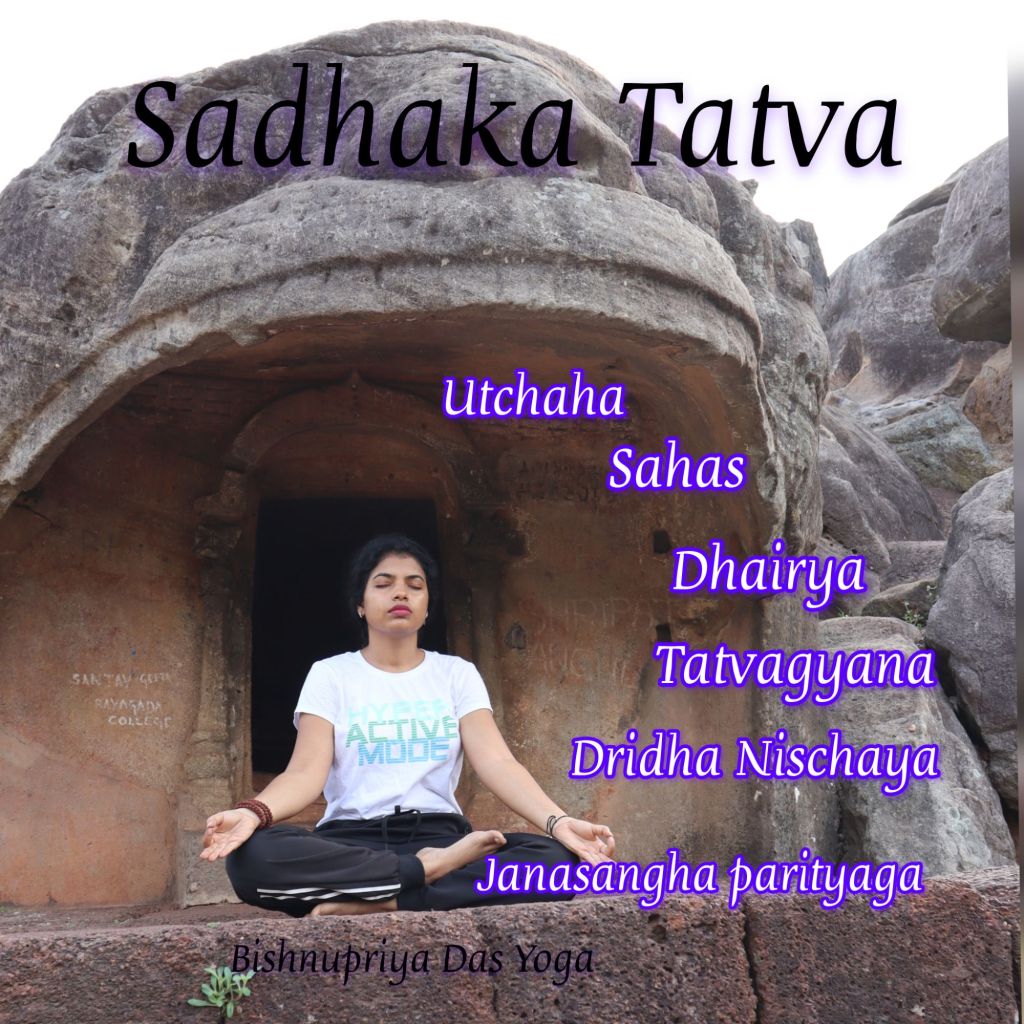
Yoga Sadhaka I Cert. Yoga teacher I Holistic Health Educator I Spirituality I Ancient Knowledge I Mind Body Soul Connection I Wellness Instructor I A forever Learner I Seeker

  • And now I wonder… can a simple “Thank You” ever be enough?

    Some places, and some people, have the power to make you glow. That’s exactly what happened to me during my YIC-PCP program at CODE-SVYASA, Bengaluru.
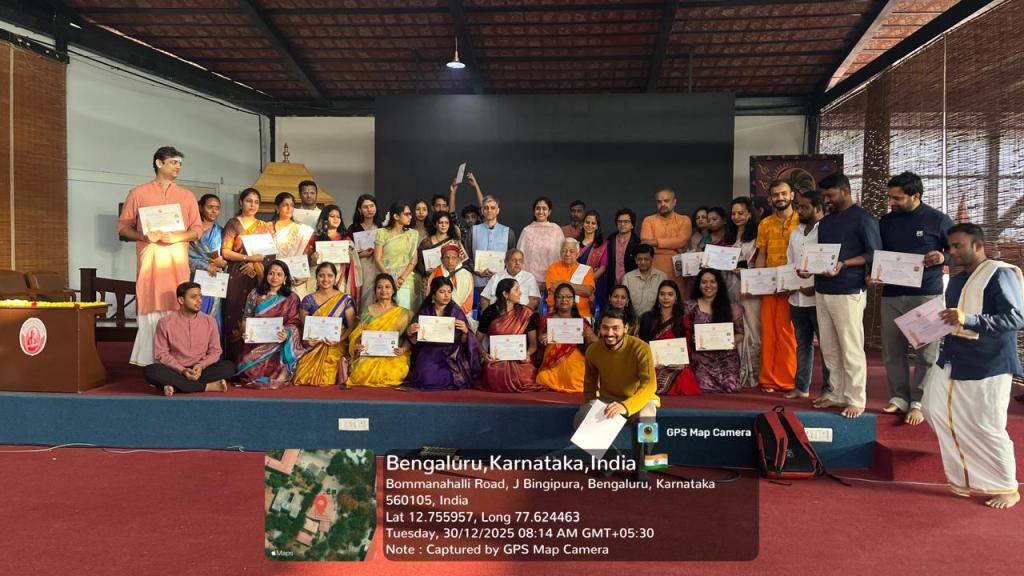
    I enrolled in SVYASA’s Yoga Instructor Course (YIC) in distance mode—a three-month journey that culminates in the PCP program and final examination. When I arrived at the campus in December 2025, I carried no expectations of making friends or indulging in socializing. My intention was simple: study, complete the course, and leave.

    As someone who isn’t naturally socially adaptable, I thought I would just attend classes quietly. But what unfolded was far beyond my imagination.

    🌿 The Classes & Teachings
    From Asanas, Kriyas, and Pranayama to Vedas, Upanishads, Vedic chanting, Games, and even sessions on the lives of spiritual masters—every class was a doorway to deeper wisdom. Yoga revealed itself not just as physical practice, but as a way of living, a true pathway to spirituality.

    The schedule itself was intense—beginning at 5:00 a.m. and often stretching beyond 7:30 p.m.. Yet, despite the long hours, each session felt refreshing, like a new breath of energy. And at the end of the day, we had playful games that awakened the child within us, reminding us that joy is as important as discipline.

    🌈 Happy Assembly & Campus Life
    One of the highlights was the Happy Assembly—a vibrant gathering filled with colorful, joyous faces and surprising talents. It was a stage for everyone, free of judgment, where only pure talent and expression mattered. I was amazed and thoroughly enjoyed the creativity that flowed from each soul.

    The campus itself felt holistic, with its own Gaushala (Cow shelter), Research Hospitals, and a dining experience that was equally transformative. The food served was delicious and Satvik—prepared without onion, garlic, or any Non-Vegetarian ingredients—simple yet deeply nourishing, perfectly aligned with the yogic lifestyle.

    🌸 The People Who Made It Home
    One person who made this journey feel like home was Ms. Elamathi M.S., the YIC Coordinator. Her energy, enthusiasm, discipline, and Maitri bhava (spirit of friendship) made every day memorable.

    And then there were batchmates—the “Crazy Souls.” They were intellectuals with childlike hearts, pure souls who never hesitated to help, care, and laugh together. With them, every moment became lighter and brighter. We studied side by side, shared meals, played games, and encouraged each other through challenges. They reminded me that friendship is not about how long you know someone, but how deeply you connect in the present moment. Their kindness, humor, and sincerity turned the campus into a second Home.

    🌼 The Transformation Within
    These days at SVYASA were more than just a course. They felt like a spiritual cleansing. I gained not only knowledge and experience but also a fresh perspective on life. I came back as a refreshed version of myself—alive with new creative ideas, renewed energy, and a deeper sense of purpose.

    And now I wonder… can a simple “Thank You” ever be enough?

  • When tiny moments unveil cosmic plans

    Butterfly Effect or Divine Intervention?? You Choose What Resonates.

    The Butterfly Effect suggests that small, seemingly trivial events can ultimately lead to significant consequences. But sometimes, those moments feel too perfectly timed to be mere coincidence. Here’s my story,

    After embracing Yoga, I made a conscious decision to stop using Allopathic medicines. For nearly three years, I barely fell sick. But one day in 2023, I was hit with a severe cold. Like many, I turned to YouTube in search of a herbal remedy.

    After scrolling through countless videos, one caught my eye—a 70-year-old woman speaking about Yoga. Who is she? I wondered. Curiosity pulled me in. I watched the video, tried her remedy, and it worked. My flu subsided. But more than that, she stayed with me—lodged in my subconscious.

    That year of October 2023. I was at a low point in life. Despite pouring my heart into my career; manipulations and politics robbed me of what I had rightfully deserved. My father’s sudden health crisis left me breathless for months. Every moment felt uncertain and heavy. The year had been unkind still something inside me was not ready to accept it.

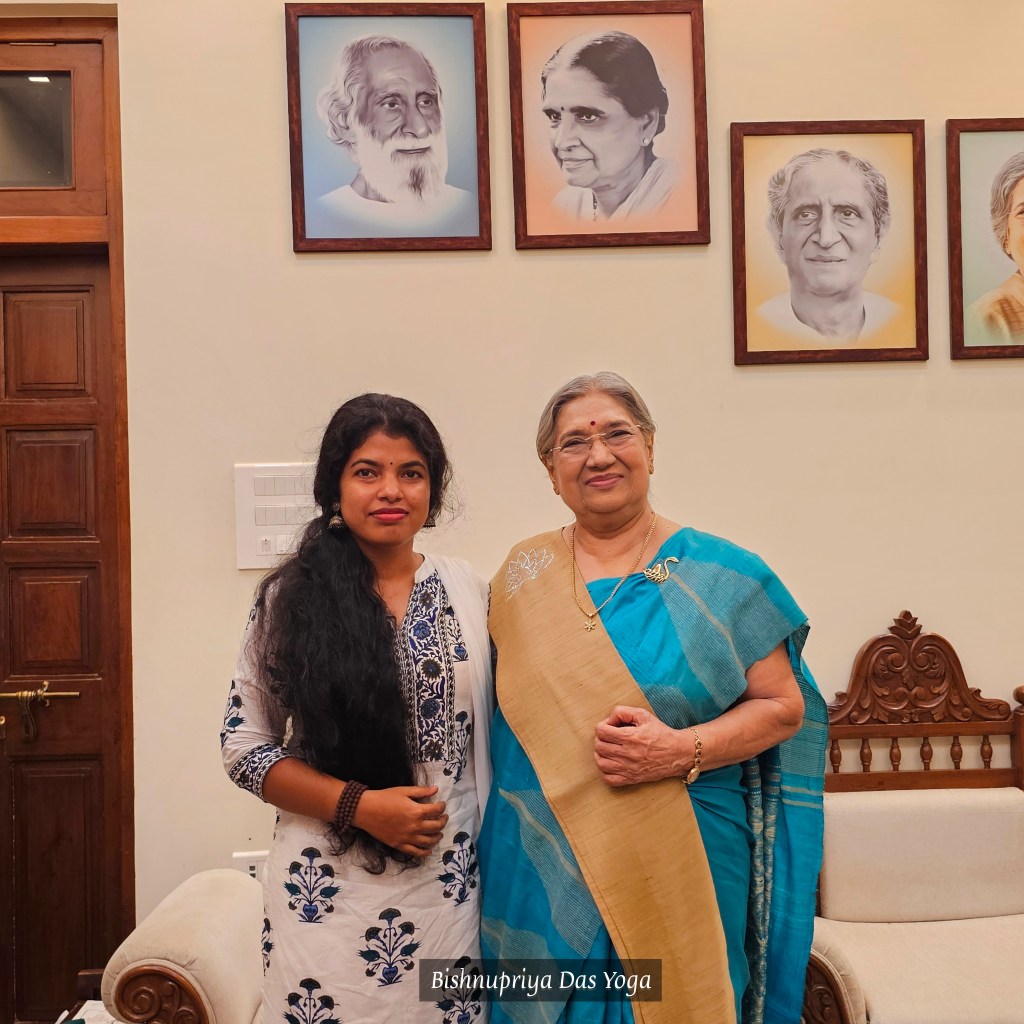
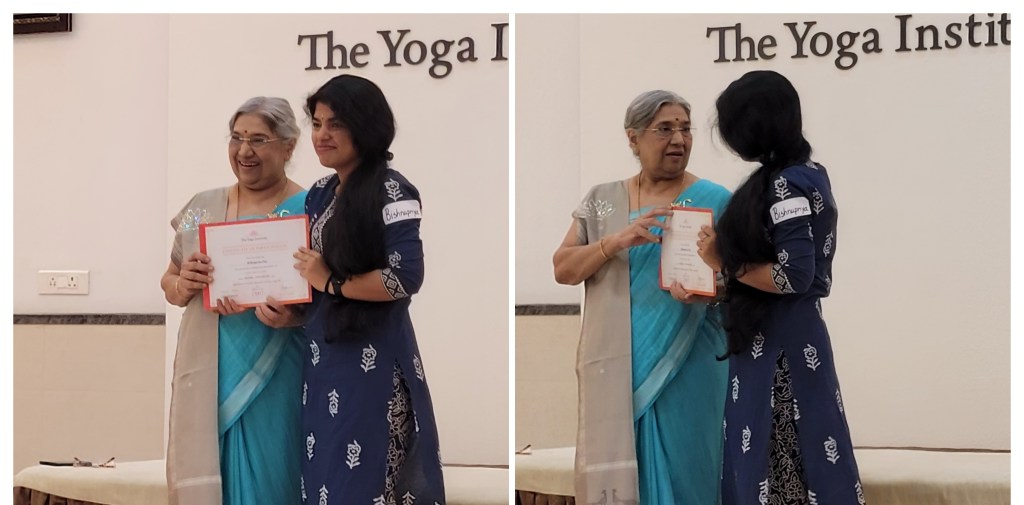
    In the midst of this chaos, I longed for an escape—not a vacation, but something deeper. Something I always knew I was born for: Yoga. I craved to learn more, to go deeper. And then, as if by design, I discovered that the respected Woman from the video was none other than Hansaji Yogendra, lovingly called Maa by many. She leads The Yoga Institute, one of the oldest yoga schools in the world. Who has dedicated her whole life for YOGA.

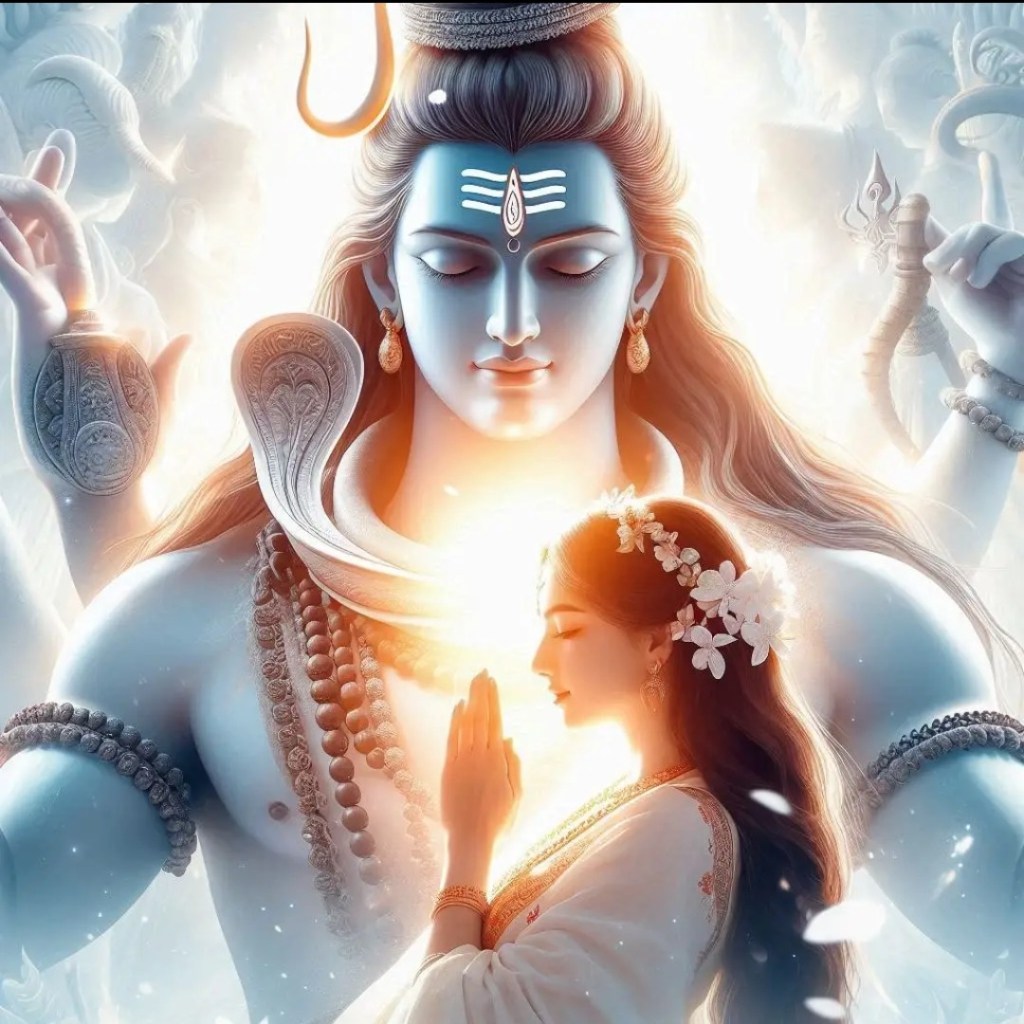
    Without hesitation, I packed my bags and booked my tickets. Within 15 days, everything was sorted. I didn’t know a single soul there in Mumbai. I had no friends accompanying me. In fact, I’d never even liked that place before —my earlier experience hadn’t been welcoming. But none of that mattered. Something within me knew: I had to go. I surrendered everything to Shiva.

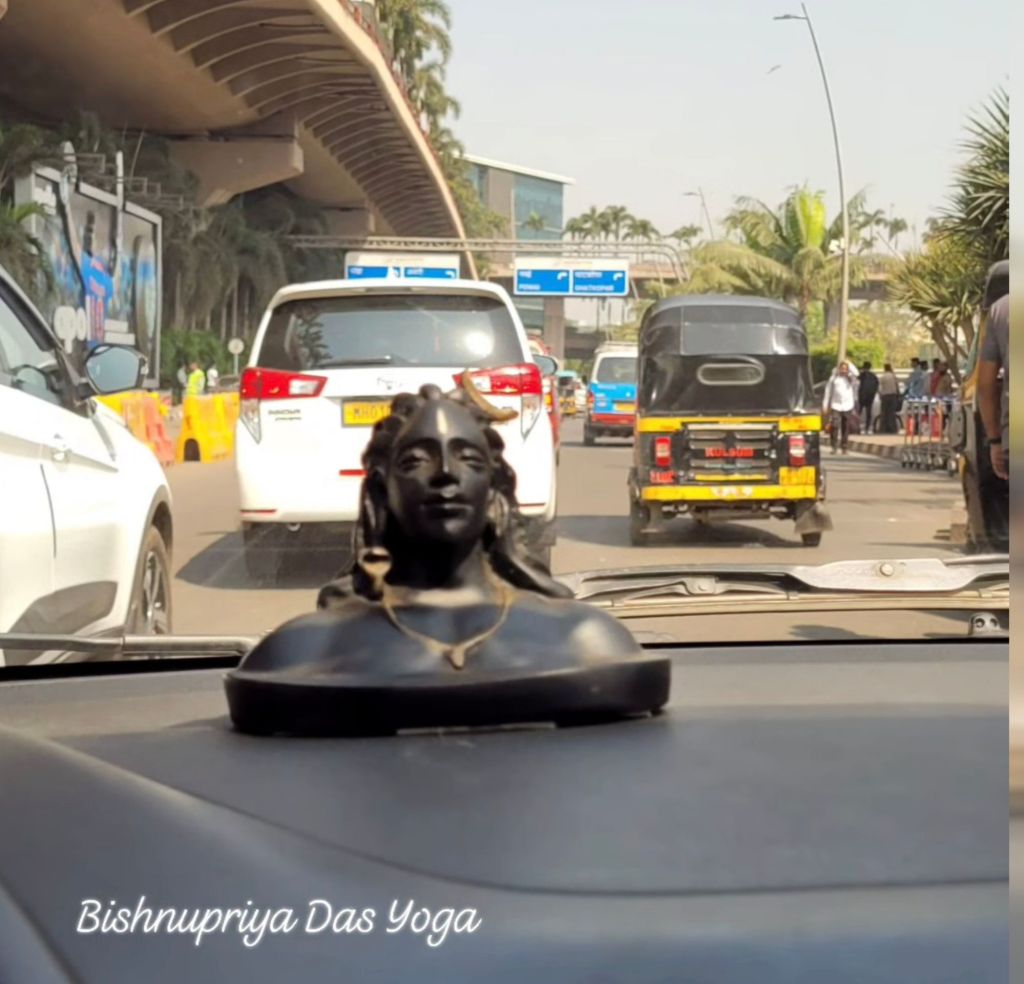
    It was 27th October of 2023, when I landed at Mumbai Airport. As I stepped into the vehicle at the airport after landing, the first thing that caught my attention was Adiyogi’s statue (my Shiva). I asked the driver, “Bhaiyya, Are you associated with Isha Foundation?” His answer stunned me, “No, this isn’t even my vehicle. Another driver took mine today, so I had to take this one.”

    That was my Shiva—showing up, guiding me, comforting me. And as I am writing this exact line now (his name), I just heard “Shiva” from afar. Tears gather in my eyes, not from sorrow, but from the sacred flood of his love.

    Seeing that, I knew I was being led to where I was meant to be. And when I arrived at the Institute, those seven days changed my life. Before going there, I was haunted by a question: Where do I stand in life? Can I really make it?

    But being there—meeting people from around the world, immersing myself in the teachings of yoga philosophy—I realized something profound: Yoga is not just something I do. It’s who I am. It comes naturally to me. It’s my path.

    From that moment, my journey took a new direction.

    Looking back, I see how a simple flu, a random video, the pain, the rejection, the uncertainty—all of it led me to a place I never planned to go, but deeply needed. Even the tiniest experiences can lead us to life-altering choices.

    There are more layers to this story, which I’ll share in future blogs.

    Everyone has the freedom to interpret life as they wish. For me, my decisions are guided by Shiva’s will. And as I write this very line, I hear his name again—“Shiva”—echoing from afar. It’s 5:22 AM.

    The Universe plans everything with divine precision. Trust it. Have faith. He watches over us, and His timing is always perfect—beyond what we can imagine.

    This is just one part of my story.

    🌿 Your Journey Begins Now

    If this story stirred something within you—an urge to explore, to heal, to reconnect with your purpose—don’t ignore it. Whether it’s yoga, meditation, or simply trusting the signs around you, take that first step. The universe is always speaking. Are you ready to listen?

    Reflect. Reconnect. Rise.

    Share your own story, or reach out if you’ve felt the pull toward something greater. Let’s walk this path of transformation together.

  • : A Spiritual Take

    An Emotion That Liberates

    I don’t understand “True Love.”

    Surprised? Do you?

    We often hear terms like true love, false love, situational love, half-hearted love—but isn’t love just… LOVE? Why the labels? Why the conditions?

    Once I began to understand spirituality, something became crystal clear: If it’s love, how can anything be attached to it? Love, in its purest form, is free of reasons, expectations, and transactions.

    🧭 Ask Yourself: Why Are You in a Relationship?

    If you are in love—or think you are—pause and reflect. Why are you in the relationship?

    💰 Financial stability

    💃 Physical attraction

    🏛️ Social conditioning

    🛡️ Protection

    🧬 Biological need

    👥 Everyone else is doing it

    💓 Emotional dependency

    🙏 Wishes of loved ones

    Did you find your reason?

    Then, my friend, you’re in a transaction (like give -take..). And that’s okay.

    Everyone has their reasons, shaped by life and circumstance.

    It also means that someway or other you do not feel complete/ whole.

    But know this: where there is a reason, there is also the potential for pain. Because when the reason fades, so might the connection.

    🌿 Love That Liberates

    LOVE sets you free.

    If you didn’t find a reason—congratulations. You’ve touched something rare and sacred i.e LOVE.

    Love, in its purest essence, is a transformative force. It can elevate you spiritually, emotionally, and even psychologically. It asks for nothing. It gives everything.

    You are not attached to outcomes. You are not waiting for reciprocation. You are not bound by presence or absence. You simply give—and that is your joy.

    And trust me, the Universe smiles upon such brave hearts.

    ✨ In short, Love Is…

    A grace. A divine flow. A sacred offering.

    Not a possession. Not a bargain. Not a need.

    Just LOVE. Unattached. Unbound. Unending.

    Reminder: Know that you are already whole, you do not seek others to complete you.

    And yes, work on yourself, LOVE will eventually find you.

    Part 2: How it transforms you and inclines you spiritually?

  • “अहिंसा परमो धर्मस्तथाहिंसा परो दमः।
    अहिंसा परमं दानम अहिंसा परमस्तपः।
    अहिंसा परमो यज्ञस्तथाहिंसा परमं बलम्।
    अहिंसा परमं मित्रम अहिंसा परमं सुखम्।
    अहिंसा परमं सत्यम अहिंसा परमं श्रुतम्॥”

    Mahabharata (Anushasana Parva 13.117.37–38)

    As per Mahabharata, this verse meant

    Ahimsa is the highest DharmaAhimsa is the highest self-control,
    Ahimsa is the greatest gift, Ahimsa is the best practice,
    Ahimsa is the highest sacrifice, Ahimsa is the finest strength,
    Ahimsa is the greatest friend, Ahimsa is the greatest happiness,
    Ahimsa is the highest truth, and Ahimsa is the greatest teaching.

    The path of Ahimsa/Non-violence is that powerful as you can see the sloka stated above. It gives a person immense strength. But do we actually know what this sacred practice actually is?? Or, we just completely unaware of it. As stated by various Sages, this is the very first step towards spirituality. And every other practices follows If one practices it wholeheartedly.

    The biggest question, what is AHIMSA/Non-Violence?

    As per Sage Patanjali, Ahimsa is not to cause any violence by Verbal/Word, Intention/Thought or Action/Deed all the time to any living creature. And he also says, In the presence of that established in non-harming, animosity is forsaken.

    What Srimad Bhagavat Gita Says about Ahimsa,

    “अहिंसा समता तुष्टिस्तपो दानं यशोऽयशः।
    भवन्ति भावा भूतानां मत्त एव पृथग्विधाः॥”

    Non-injury, equanimity, contentment, austerity, beneficence, fame, infamy all these different qualities of beings arise from Me/Divine alone.

    This practice is that powerful, but Do we know it properly?? Being coward and being established in Non-violence are two different things. Lets understand how?

    When it says Non-violence not to be caused to any living creature, we mostly exclude our own self. We tend to forget that the Divine is present within us so as in others. What our scriptures always advised that,

    आत्मनि दिव्यसान्निध्यं पूजय। Honour the divine presence within yourself.

    When someone harms you, is it not your primary duty/dharma to protect yourself. You are not intending to harm others but when you are not protecting yourself, are you not causing Violence towards yourself?

    Let me give you an example, I have been trying to follow path of Ahimsa for last few years. One fine day, someone very close person said very harsh words to me to defame/demean (Just to satisfy his false ego). At first I got so puzzled what has happened, did I do any wrong, NO. And that day I do not know how the first word that came out was “you are doing Adharma. And let me be very clear I have not done anything wrong so there is no chance that I will ask for forgiveness or take these harsh words silently and you do not have any rights to disrespect me. And I strongly believe that divine is present in everyone so in me.” I strongly retaliated that day. And the very next day, the same person suffered in the same way as he was trying to do with me.

    Did I ask for his suffering? No Absolutely not .. My job is to do the work and not to harm anyone in any form, that’s it and rest lies on the Divine. You know if someone is established himself in Ahimsa then even the Universe protects that person when needed.

    Let’s say, some unpleasant situation is happening around you, is your Dharma/duty to watch??

    As per the Scriptures, Your Dharma/Duty is to protect who cannot protect himself. And, if you are thinking of following AHIMSA/NONVIOLENCE being silent, then You are wrong. By not taking any action, you are also supporting the same cause (मौनं सम्मति लक्षणम्) and You are too doing the same Violence even if you are not a part of it physically.

    In this age of having incomplete knowledge, we mostly get misunderstood about this sacred knowledge and path, in the end Let me say,

    When you start giving respect It must start with SELF. So, when You start implementing Ahimsa / Nonviolence, it must start with YOURSELF. No harm to self or others not verbally, not physically, not in thoughts.

    As mentioned in Chandogya Upanishad
    A person who refrains from causing harm to any living being, including oneself, progresses toward liberation. Self-inflicted harm is seen as an obstacle to spiritual growth.

  • When I pray I found You

    When I did not pray, I also found You..

    When I wished, You to be with me, You came..

    When I did not wish, You came as a surprise..

    In this hustle bustle of life , sometimes I forgot about you..

    But you never forgot that there is someone who only depends on you.. 

    And that someone has only YOU..

    When I had the feeling of Nothing, 

    You surprise me with signs that you are with me. 

    What else do I need…

    Yes, I have desires, many many desires, but if I have to prioritise these desires, then this certainly comes first that ’till the end of my life , you stand by my side in each Sorrow, in each Joy like you always do.. And beyond death if life exists, then also you stay by my side.

    Whether I have someone or not, does not matter now but you need to be there with ME….

    My SHIV

    Yoga Sadhaka I Cert. Yoga teacher I Holistic Health Educator I Spirituality I Ancient Knowledge I Mind Body Soul Connection I Wellness Instructor I A forever Learner I Seeker

  • The Yoga Institute

    900 Hrs Teacher’s Training Course

    Honestly speaking, when I joined this course of Yoga, it was only because I wanted the 900 hr Advance TTC certification, and as I had googled Pujya Hansa Maa is a board member of Govt of India, Yoga Certification.

    But my mind just blown away when I saw the course list, OMG; what is all this I could barely figure out. When I had asked about 7 M TTC online course, I still remember I asked Vinay Sir & a Yoga practitioner from England, both said it as the excellent course to have a thorough knowledge of Yoga.

    Let me first elaborate about course, all in one

    Asana, Pranayama, In-depth of pranayama & asana, Yoga Philosophy, Hatha Yoga in depth study, Bhagvat Gita in depth, Parisamvad – where Hansa Maa talks about any of your problem, giving practical solutions, Ayurveda, how to conduct class, Physiology (each part of body in detail), Kriyas, Life lessons and my most feared subject the Public Speaking & PTS (where one gives lecture about one asana in detail).

    It gave me the essence of Yoga. Before, Yoga is just Physical with some Philosophy but while doing course I realise each posture has so many angels to approach, not just what we see, what we feel, what we experience, what is our attitude to approach and how therapeutic it can be.

    It also bought within me a more surrendering attitude. And one area in which I needed a lot of work was taken care i.e. Public Speaking. Frankly saying I have never experienced public platform but just because of this I was able to come over my fear. 4 PS & 4 PTS (asana, pranayama demonstration in depth), I knew I have change but somehow not ready to take the step and for this course I had to and I am grateful for it. Writing Blogs, I have never imagined myself to write something but I had to and truly speaking the feeling is so fabulous.

    The 15 days that one has to spent has let me learn so much, how to apply yoga in my practical life and to face challenging situation.

    I am more open up, outspoken and more in-tune with the process of YOGA. As I am nearing to the completion, how can I deliver my heartfelt gratitude to all of the teachers and the Institute that gave me so much to take with me for the rest of my life. I am truly grateful to the whole team, TYI and Hansa Maa for making this learning alive still in this time of materialism. Where these values are questionable but still you did and I feel grateful being a part of it.

    NAMASTE

  • To understand devotee, we need to know devotion which is the emotion/ complete dedication towards the higher reality or God/ Divine. In Sanskrit devotion is Bhakti that is derived from the root word “Bhoj” which means “to worship”. So the person who worships God is a devotee.

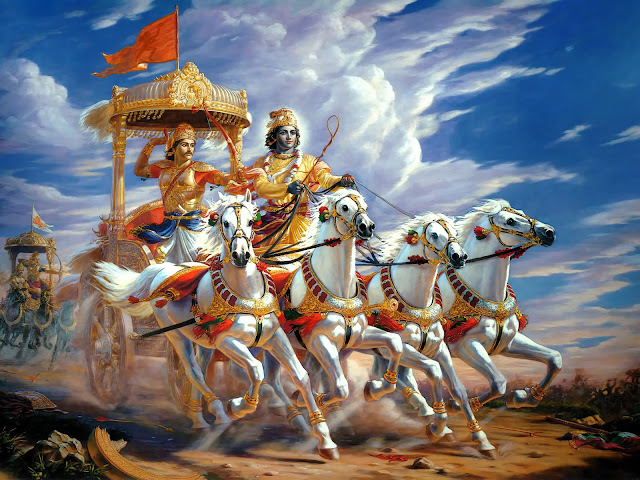
    So, why human worship God? This is clarified by Lord Sri Krishna in Srimad Bhagvat Gita Chapter 7, sloka 16 (Gyan -Vigyan Yoga- Knowledge of the absolute)

    चतुर्विधा भजन्ते मां जना: सुकृतिनोऽर्जुन |
    आर्तो जिज्ञासुरर्थार्थी ज्ञानी भरतर्षभ || 16||

    chatur-vidhā bhajante māṁ janāḥ sukṛitino ’rjuna
    ārto jijñāsur arthārthī jñānī cha bharatarṣhabha

    O best amongst the Bharatas, four kinds of pious people engage in My devotion—the distressed, the seekers of knowledge, the seekers of worldly possessions, and those who are situated in knowledge.

    These are four kinds of Bhaktas

    1. Arta/ the distressed:
    2. Jigyasu/ The inquisitive
    3. Artharthi/ desirer of wealth
    4. Jnani/ seeker of knowledge of absolute

    Arta: Arta is the person who is suffering and come to the Supreme/Lord/ Ishwar to get relief from the suffering. The suffering may be due to Chronic incurable illness or whose life is in threat (due to natural calamity, attack by dacoit/ enemy, animal etc).

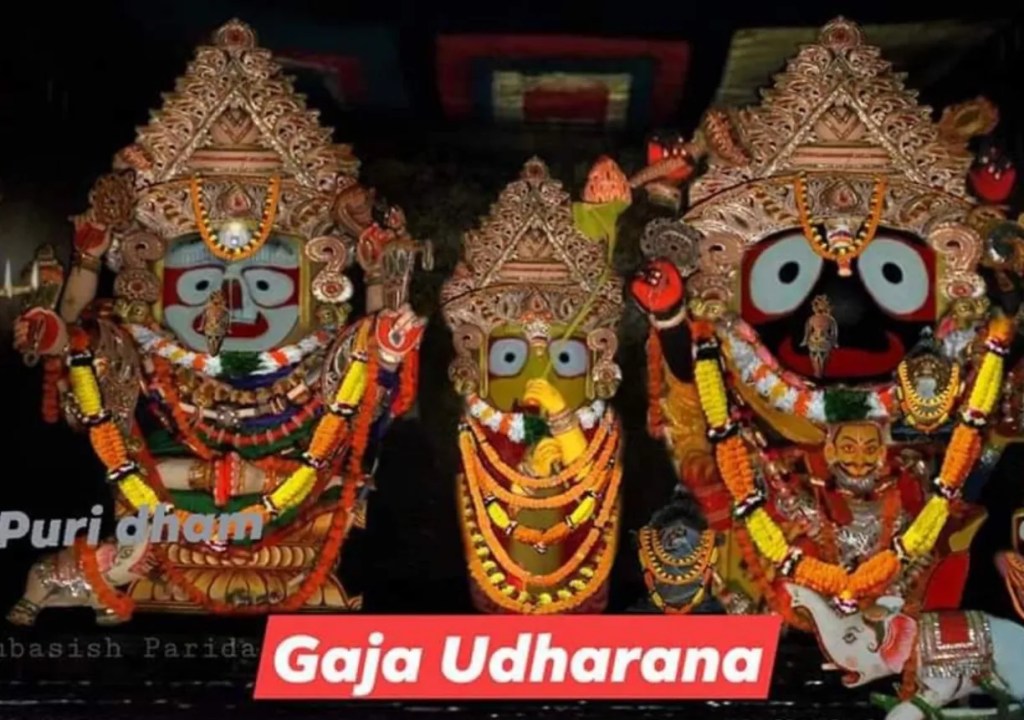
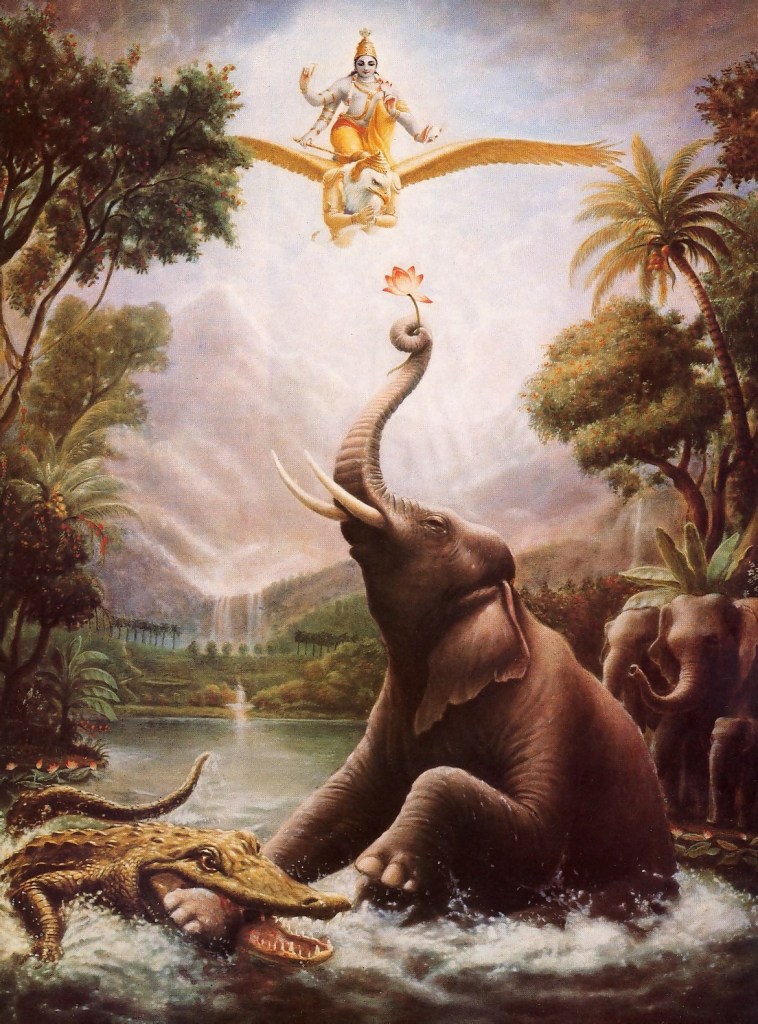
    In Odisha, on Magha Purnima, Lord Sri Jagannatha (incarnation of Lord Vishnu) dress up in a special kind of attire called Gaja Udhharana Besa, which signifies how the king of elephant was saved by him.  In popular devotional song (in Odisha) it is mentioned (written by Bhakta Kabi Salabega)

    ଆହେ ନୀଳ ଶଇଳ ପ୍ରବଳ ମତ୍ତ ବାରଣ
    ମୋ ଆରତ ନଳିନୀ ବନକୁ କର ଦଳନ ।

    ଗଜରାଜ ଚିନ୍ତା କଲା ଥାଇ ଘୋର ଜଳେଣ
    ଚକ୍ର ପେଷି ନକ୍ର ନାଶି ଉଦ୍ଧାରିଲ ଆପଣ ।

    କୁରୁସଭା ତଳେ ଶୁଣି ଦ୍ରୌପଦୀର ଜଣାଣ
    କୋଟି ବସ୍ତ୍ର ଦେଇ ହେଳେ ଲଜ୍ଜା କଲ ବାରଣ 9

    āhe nīḷa saiḷa prabaḷa matta bārana
    mo arata naḷinī banaku kara daḷana
    .

    Gaja Gajaraja chinta kala thai ghora jalena,

    Chakra peshi nakra nashi, uddhrile aapana!

    Kurusabha tale suni Draupadi ra janana,

    Koti bastra dei hele lajja kala barana!

    Translation:

    O o resident of the blue mountains
    I plead you to vanquish the lotus-forest of my agonies.

    When elephant king invoked you in deep waters
    you sent the chakra and saved him from the crocodile.

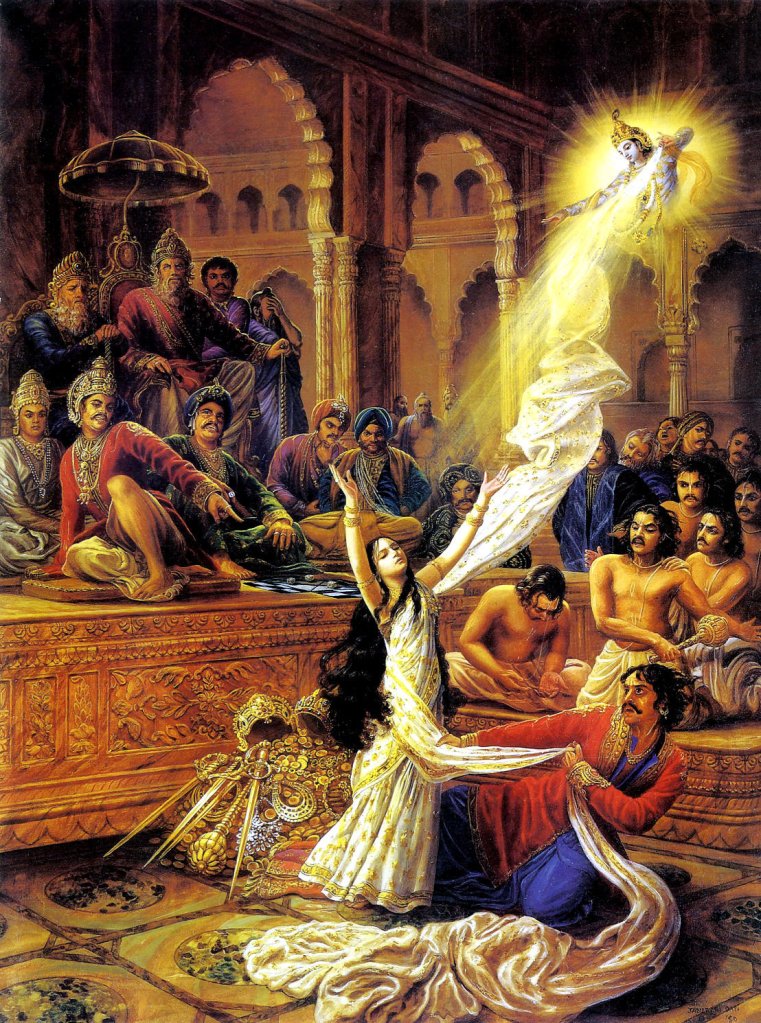
    In the Kuru court Draupadi called you,
    you sent her infinite cloth and saved her dignity.

    In this song, very beautifully, the devotees Arta are explained.

    Here it is mentioned about the Gaja Hasti (king of elephants), who worshiped Narayan / Ishwar when a crocodile attacked him . Lord Vishnu saved his life after killing the crocodile.

    Lord Krishna saved Draupadi when attempt was made to disrobe her, in Kurusabha.

    2. Jijnasu/ The inquisitive:

    In Sanskrit the term ‘Jijnasu’ is derived from the root word Jna means to inquire or to seek knowledge. He is the kind of devotee who worships god to have  or to acquire knowledge. They are curious about Brahman. They read scriptures and other literatures from Saints and try to figure out ways and means to discover greater depths of infinite presence of God.

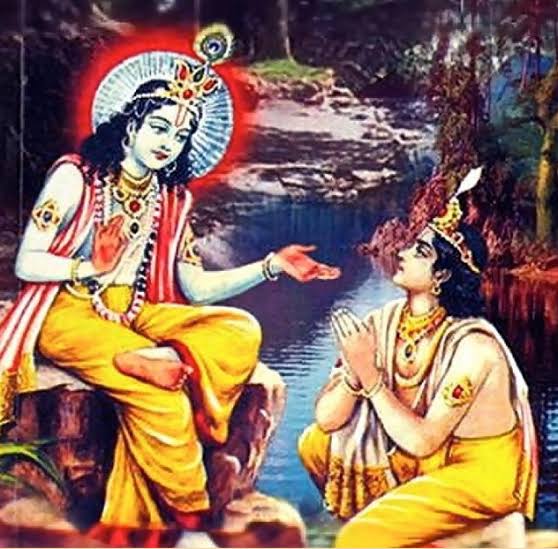
    The best example is Sri Uddhav and the conversation between Sri Uddhava and Lord Sri Krishna is mentioned in the Uddhava Gita.

    3. Artharthi/ the seeker of wealth:

    The Sanskrit meaning of this comes from ‘Artha’ and ‘Arthi’

    Artha means – Money

    Arthi- means love

    So, he is a devotee who prays God when he needs money or earthly possessions, land etc.

    The example of it is Druva . To get his father’s love /affection Druva did a rigorous Tapasya and in the end Lord Vishnu please by his Tapa , offered im a state where he would become a celestial body and would not be touched by Maha-pralay means natural calamities.

    5. Jnani/ Seeking absolute knowledge:

    The Sanskrit root word is Jnana means wisdom or knowledge. These are the kind of devotees who prays or worships God for the knowledge of absolute. He attains self-illumination. Janani is the one where his knowledge was born out of direct witness. They are not bound by the physical body as they realise the ultimate truth.

    The example of Jnani is Maharshi Suka deva, the son of Maharshi Vyasa. He is the main narrator of the Bhagavat Purana to king Parikshita.

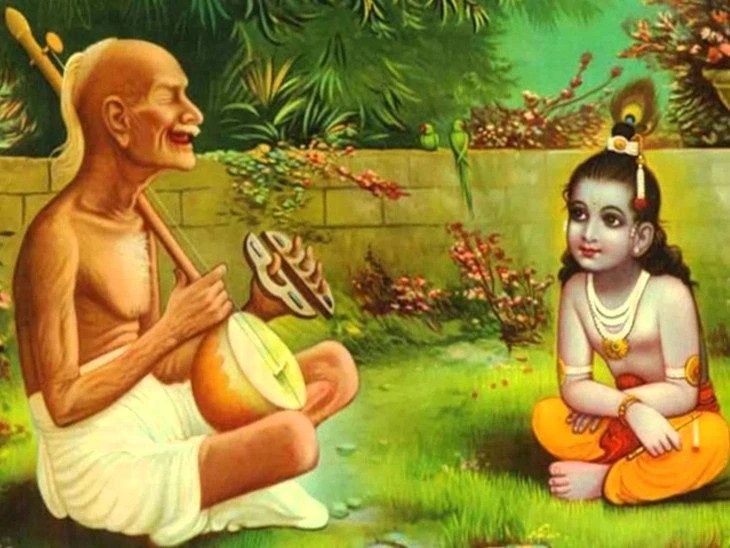
    Another example is Bhakta Surdas, a blind person from birth who wrote many devotional poem in the praise of Lord Krishna.

    In sloka 17 of Chapter 7, Srimat Bhavat Gita , Lord Krishna has explained One who is full of knowledge and who is always engaged in the pure devotional services , for him I am very dear to him and he is dear to me.

                  Anyone who has come to the lord with pure heart, gets whatever he prays/wishes for; as without his approval no-one could get anything whether its human, Rishis.

    #tyi #theyogainstitute #bhaktas #devotees #bishnupriyadas #yogaphilosophy

  • In Sanatana dharma Siddhis are paranormal, supernatural abilities that a person possess. These ate the gifts of Universe or from the Divine to the Sadhaka. It is mentioned in Bhagavat Purana, Hanuman Chalisa, Yoga Sutra, Siva Samhita.

    In Shrimad Bhagavatam, it is mentioned that when a Yogi is connected to the absolute truth, has conquered his senses and breathing and has fixed his attention on Supreme, the mystical perfections or Siddhis are at his disposal (Chapter 15).

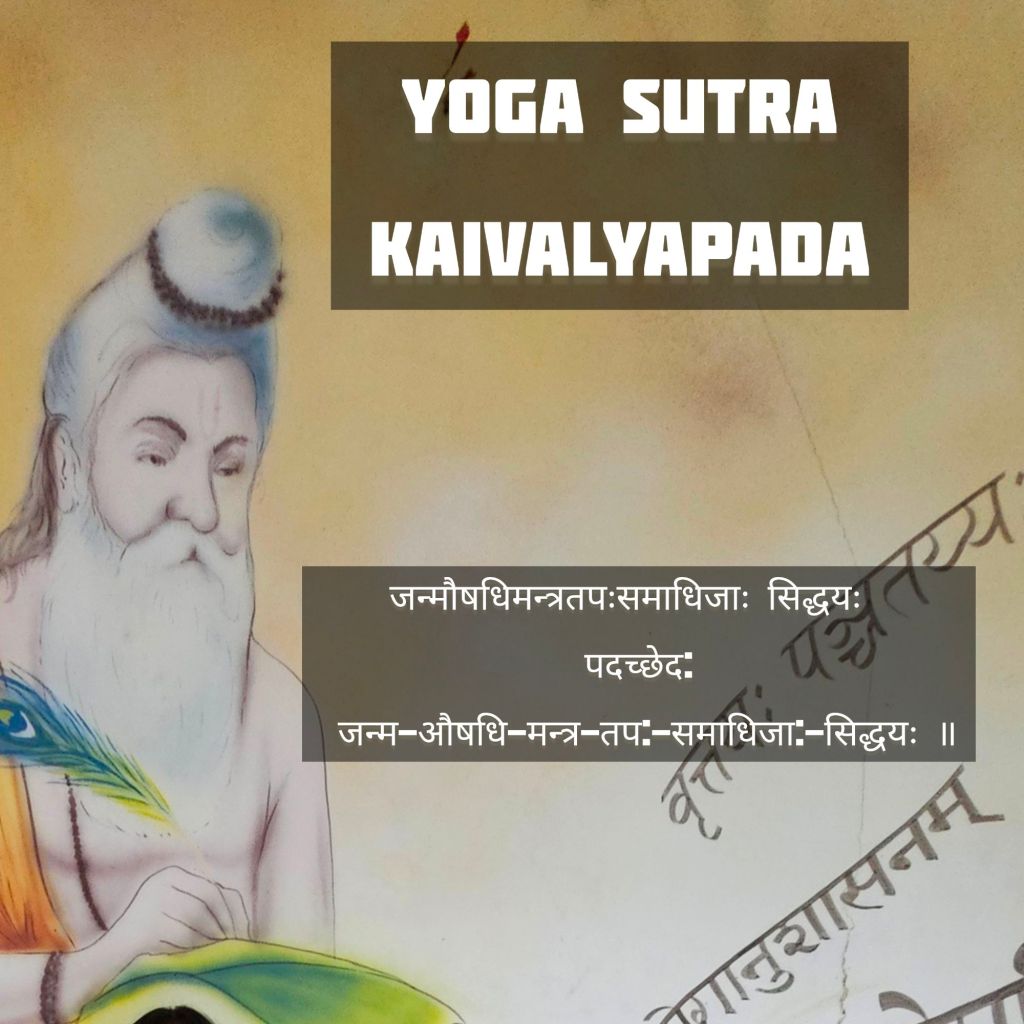
    In Yoga Sutra by Maharshi Patanjali, Chapter 4 Kaivalya Pada, sutra 4.1, it is mentioned

    जन्मौषधिमन्त्रतपः समाधिजाः सिद्धयः ॥१॥

    janma-oṣadhi-mantra-tapaḥ samādhi-jāḥ siddhayaḥ ||1||

    Accomplishments arise from
    birth, blessed herbs, sacred formulae, self-discipline and integration.

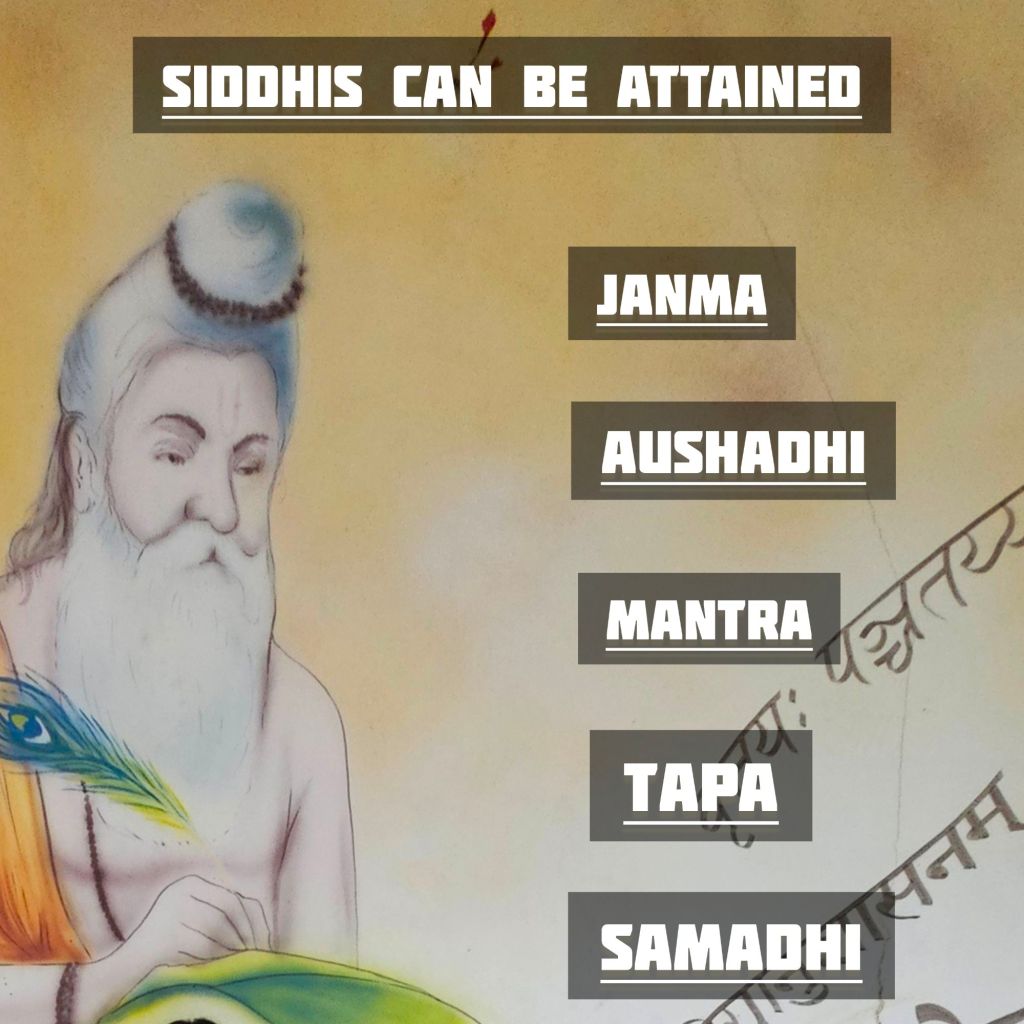
    These perfections proceeds from birth, drug, Mantras , fortitude or Samadhi. Some people are  born with these powers and this is the result of previous birth Sadhana. Some exhibit powers of thought reading / clairvoyance, Clairaudience- hearing from Universe, knowing past present and future (trikalajnatvam) etc.

    It is said that Sage Kapila , the father of Samkhya Philosophy, is  a born Siddha.

    Some Siddhis are attained by ausadhi i.e. herbs or drugs . In Veda, these are called Soma. These induce supernormal powers. But , drugs do not have the capability to burn away Karma.

    There are certain powerful /sacred words called Mantras, which have the capability when repeated under proper condition gives extraordinary powers.

    Tapa, provides one with unusual capabilities. In every religion it is being practiced.

    The state of Samadhi (intense concentration) can only be attained when someone has purified the mind by going through the seven steps (prior to Samadhi) as mentioned by sage Patanjali or by doing three steps for Madhyama adhikari (Tapa , Swadhyay, Ishwar Pranidhana); two steps by Uttama adhikari ( Abhyasa and Vairagya); eight steps for beginner (Yama, Niyama, asana , pranayama, pratyahara, dharana , Dhyana, Samadhi) ; four steps as mentioned in Hatha Yoga Pradipika; seven steps as mentioned in Geranda Samhita, one attains Siddhi.

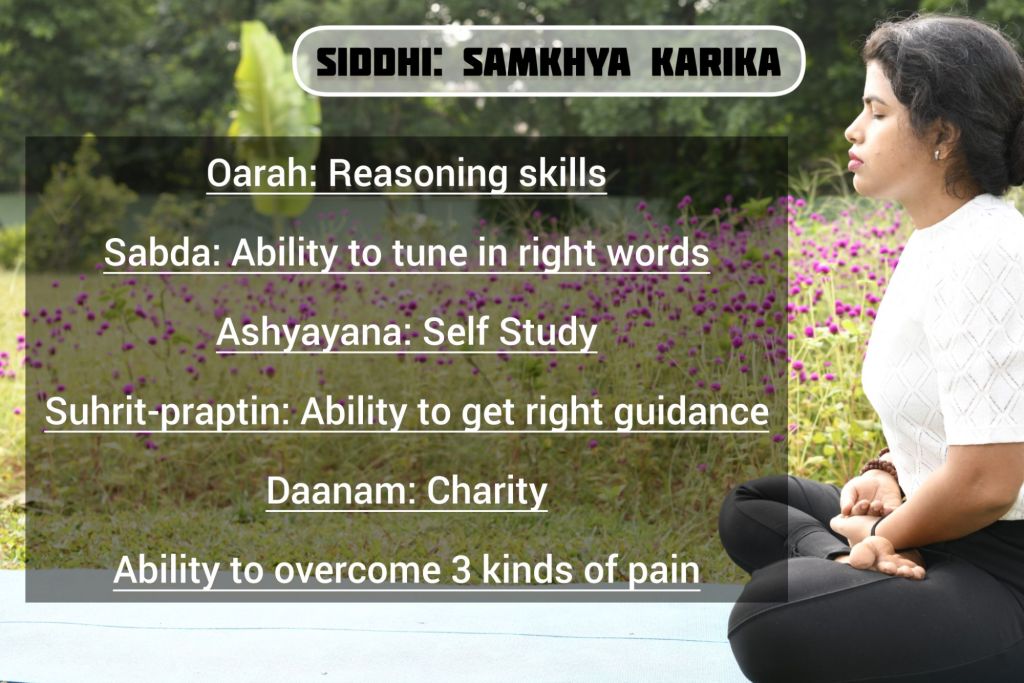
    As per Samkhya Karika 51,

    ऊहः शब्दोऽध्ययनं दुःखविघातास्त्रयः सुहृत्प्राप्तिः ।
    दानं च सिद्धयोऽष्टौ सिद्धेः पूर्वोऽङ्कुशस्त्रिविधः ॥ ५१ ॥

    ūhaḥ śabdo’dhyayanaṁ duḥkhavighātāstrayaḥ suhṛtprāptiḥ ।
    dānaṁ ca siddhayo’ṣṭau siddheḥ pūrvo’ṅkuśastrividhaḥ ॥ 51 ॥

    Reflective reasoning, Oral instruction, Study, the three-fold suppression of pain (ignorance, disability and contentment), Acquisition of well-wishers and Charity are the EIGHT forms of Siddhi.

    The preceding three (Viparyaya, Ashakti and Tusti) are the restrainers of Siddhi.

    1. Oahah (reasoning skills): Ability to reason out truth
    2. Sabda (words): Ability to tune in right words
    3. Ashyayana (study): Self- learning , analysis ; e.g. Ekalavya
    4. Suhritpraptin : Ability to get right guidance / advice or good and like minded company.
    5. Daanam: Charity, Purity

    6,7,8: Ability to overcome three types of pains.

    Siddhis mentioned in Hatha Yoga Pradipika , verse 18 Chapter 2

    युक्तं युक्तं तयजेद्वायुं युक्तं युक्तं छ पूरयेत |
    युक्तं युक्तं छ बध्नीयादेवं सिद्धिमवाप्नुयात || १८ ||

    The Vayu should skilfully be inhaled, exhaled and retained so that perfection or siddhi is attained. Means by practicing Pranayama Sidhhis can be attained.

    In chapter 3, verse 8 of Hatha Yoga Pradipika further it is mentioned that,

    Adinath said they are the bestowers of the eight divine powers. They are held in high esteem by all the siddhas and are difficult for even the gods to attain.

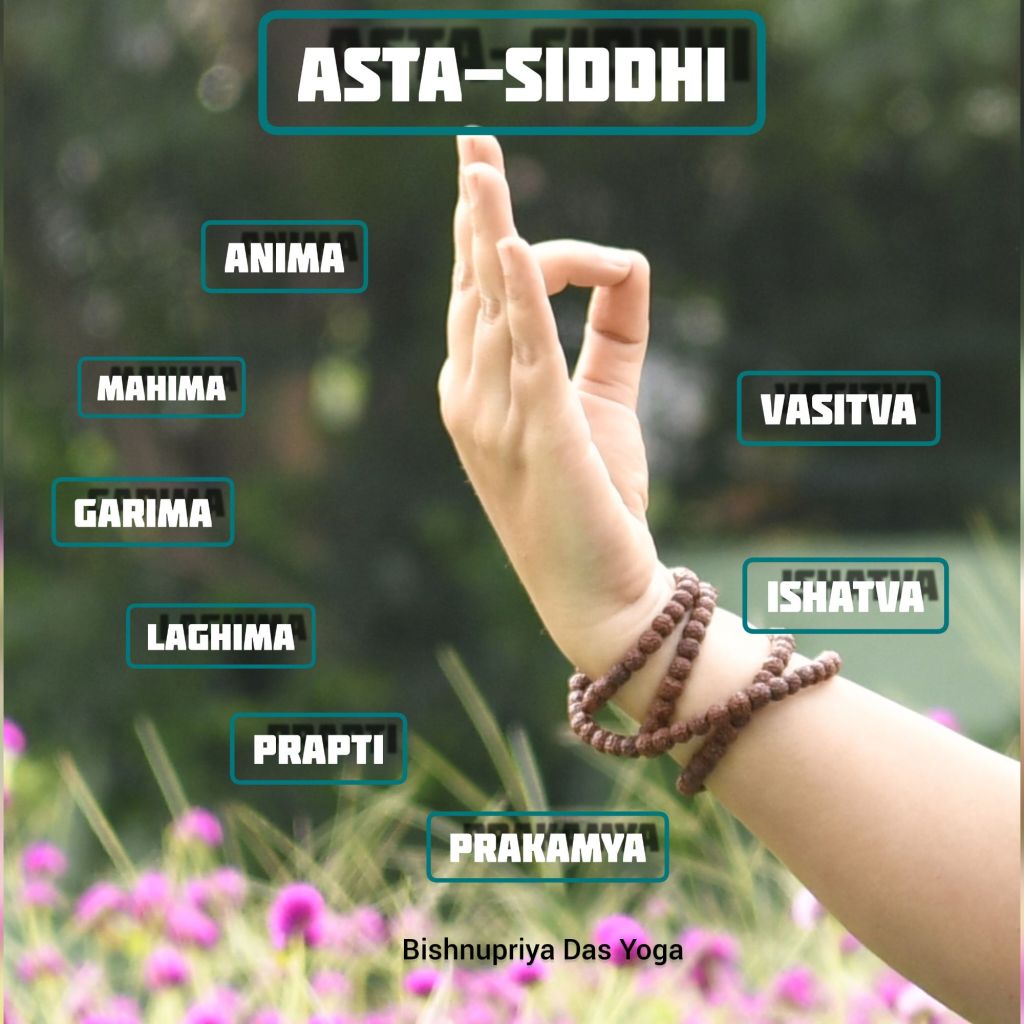
    Perfection of asana and pranayama results in ‘minor’ siddhis or perfections, i.e. vitality, good health, mental/emotional equilibrium, clairaudience, etc. However, perfection of mudras and bandhas results in attainment of ‘major’ siddhis such as anima, mahima, garima, prapti, prakamya, vasitva, ishatva.

    In Chapter 1, verse 5-9, the eight Mahasiddhis are mentioned

    As far as siddhis go, there are eight major ones which a sadhaka has to master before he is called a siddha:

    1 Anima – the ability to become as small as an atom

    2 Laghima – the ability to become weightless

    3 Mahima – the ability to become as large as the universe

    4 Garima – the ability to become heavy

    5 Prapti – the ability to reach any place

    6 Prakamya – the ability to stay under water and to maintain the bodyand youth

    7 Vashitva – control over all objects, organic and inorganic

    8 Ishatva – the capacity to create and destroy at will.      

    At some point of your life , you will be disapointed, be it your partner, parents, spouse, siblings or children, whether they wish it or not. But it is not the case with Universe. It follows you everywhere and every moment.

    The inner satisfaction you will be getting is unmatched. And it is not that after progressing in this Yoga journey you will be left alone physically; no. Whether everyone is around you or not, it will not matter much. One thing you will certainly attract better connections in your life. This time it’s only pure and you also have the clarity. This is what the path of YOGA will lead to. Here, Siddhis come to the perview. Without realising you will change physically, mentally,  Spiritually and psychologically.

    In Yoga Sutra by Maharshi Patanjali, it was emphasized that Siddhis should not be sought and if they develop, they should virtually be ignored and definitely not exhibited. According to him, these are obstacles on the path of Samadhi. These can completely hinder one’s spiritual evolution.

    #tyi #theyogainstitute #yogastudy #philosophy #yogaphilosophy #siddhi

  • Yamas are the foundation towards your Yoga journey.

    In Patanjali Yoga Sutra, Chapter 2 sutra no. 29 it is mentioned.

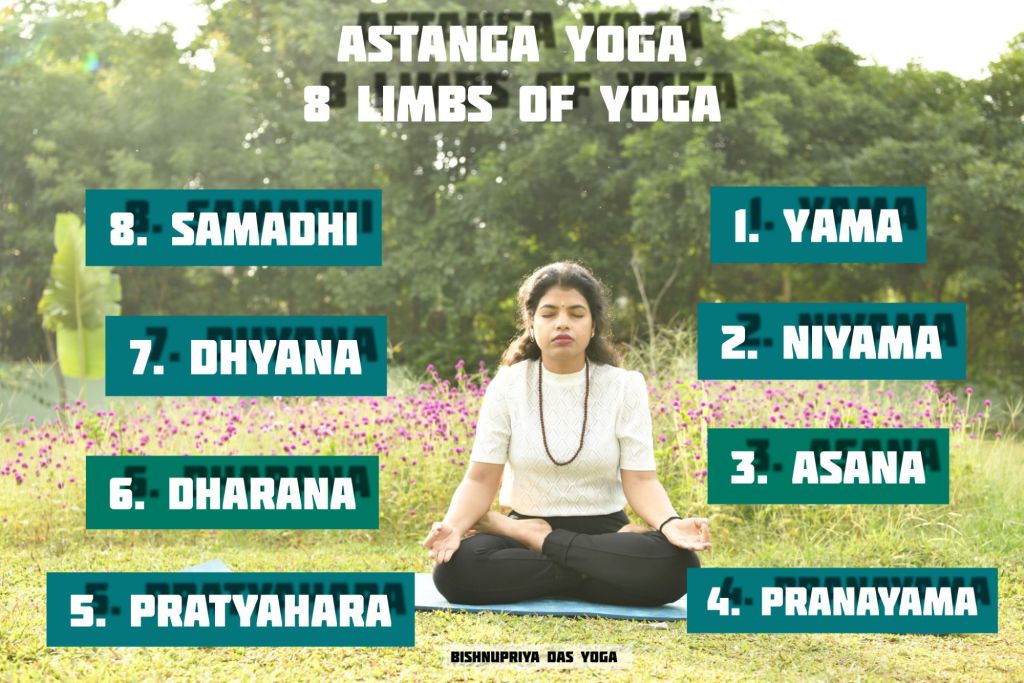
    यम नियमासन प्राणायाम प्रत्याहार धारणा ध्यान समाधयोऽष्टावङ्गानि ॥२९॥

    yama-niyama-āsana-prāṇāyāma-pratyāhāra-dhāraṇā-dhyāna-samādhayaḥ aṣṭau-aṅgāni ||29||

    Restraints, observances, posture, extending the breath,
    withdrawal from the senses, concentration, meditation and integration
    are the eight limbs.

    In path of Astanga Yoga – the 8 fold path about which, Maharshi Patanjali has talked about, the very first step is “Yama”. It must have such prime importance that before all of the paths/steps to achieve the highest goal in life, this comes in the first place.

    In Sanskrit, ‘Ya’ means one who moves, ‘Ma’ means who creates, so it can be put together as somethings one needs to remove, to create the actual or divine you.

    In another understandings as per Hindu mythology, ‘Yama’ is the God of death. And one has to refrain himself from certain qualities so that the God of death not torture him after death.

    Yamas are set of moral disciplines that one need to follow, to succeed in the path of Yoga, this has to be mastered.

    The idea of Yoga is to work on yourself practically using the 8 fold path, one can attain Sattvic state of mind, which also helps to reduce the Kleshas.

    Yama is the foundation towards your Yoga journey.

    In Patanjali Yoga Sutra, Chapter 2 sutra no. 30, the types of Yamas are mentioned

    अहिंसासत्यास्तेय ब्रह्मचर्यापरिग्रहाः यमाः ॥३०॥

    ahiṃsā-satya-asteya-brahmacarya-aparigrahāḥ yamāḥ ||30||

    Translation: Non-harming, truthfulness, non-stealing, conservation
    and non-grasping are the restraints.

    Ahiṃsā – Non-violence

    Satya – truthfulness

    Asteya – Non-stealing

    Brahmacarya – state of continence and chastity

    Aparigraha – Non-possessiveness; Non-covetousness

    1. Ahimsa/Non-violence:

    This means no himsa, no violence all the times. Further more, it is also not to harm others by Word/ thought/ action. It is not limited to only physically harming someone.

    As per the Indian philosopher Vijnana Bhikshu;

    “As the little feet of all the animals fit into of an elephant, all other virtues of Yama are included in Ahimsa”

    In Mahabharat, Chapter 114 of Anushasana Parva explains about Ahimsa,

    अहिंसा परमो धर्मस्तथाहिंसा परमो दमः
    अहिंसा परमं दानम् अहिंसा परमस्तपः
    अहिंसा परमो यज्ञस्तथाहिंसा परमं बलम्
    अहिंसा परमं मित्रम् अहिंसा परमं सुखम्
    अहिंसा परमं सत्यम् अहिंसा परमं श्रुतम् || 

    Ahimsa is the highest duty, Ahimsa is the highest self-control;
    Ahimsa is the greatest gift, Ahimsa is the best austerity;
    Ahimsa is the highest sacrifice, Ahimsa is the finest strength;
    Ahimsa is the greatest friend, Ahimsa is the greatest happiness;
    Ahimsa is the highest truth, Ahimsa is the greatest teaching.

    2. Satya/ Truthfulness:

    Speaking Satya is one’s innate quality; to speak untruth you need training.

    Satya is speaking the TRUTH, and how / what need to be said, lets elaborate

    . Speak truth everywhere , every time, not selectively.

    . It should not hurt others. Just because you are saying the truth does not mean that you can hurt others intentionally.

    . If speaking Satya does not add any value to the situation/ conversation or person then that is mere a sentence not truth.

    3. Asteya/ Non- stealing:

    Not taking anything that doesn’t belongs to you whether material, or ideas. It goes one step further also that, not having the thought or idea of possessing that’s not yours. It only comes when you are completely content {Santosh} or satisfied.

    4. Brahmacharya/ state of continence and chastity:

    It comes from the combination of two words, ‘Brahma’ the supreme and ‘charya’ act or path. following the path of Brahman. In simpler way, controlling the senses following moderation and most importantly purity in sex life.

    5. Aparigraha, Non-possessiveness; Non-covetousness:

    Parigraha means excessive attachment to objects. And one defines oneself by these objects. So Aparigraha basically means not to accumulate things more than you need. With more material possession one developes more attachment and this becomes a hindrance in the path of Yoga.

    Yamas are the essence of your own true self. And it shapes you as a person, makes you ready for advancing in the path of Yoga.

    #tyi #yoga #theyogainstitute #yama #discipline #philosophy #yogastudy

  • What causes speedy success in Yoga & What obstructs the success in Yoga

    In chapter 1 of Hatha Yoga Pradipika, verse 15 and 16(i), Rishi Gorakshanath has explained about Badhaka Tatva and Sadhaka Tatva.

    Badhaka Tatva:

    In Sanskrit Tatva means “factor” & Badhaka means  obstructing. The factor that do not allow you to proceed in the path of YOGA.

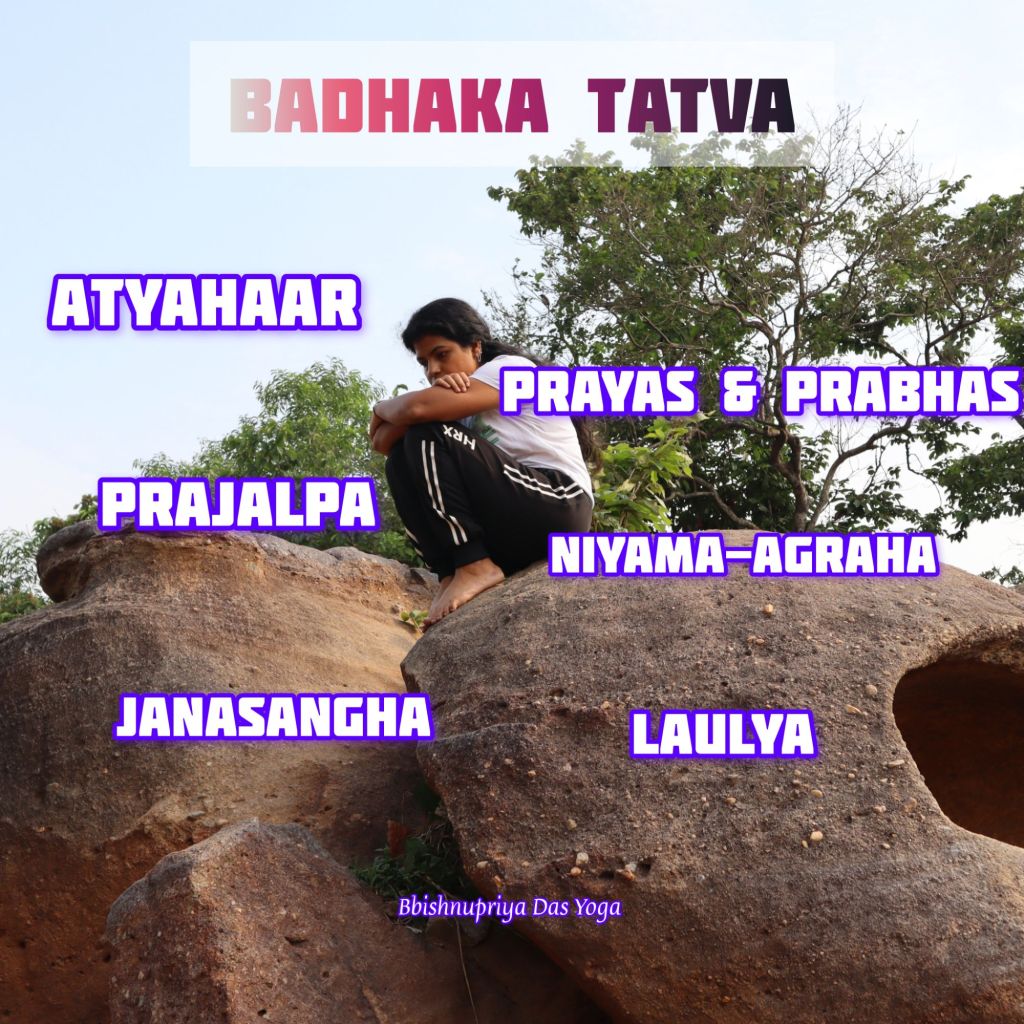
    अत्याहारः परयासश्छ परजल्पो नियमाग्रहः |
    जन-सङ्गश्छ लौल्यं छ षहड्भिर्योगो विनश्यति || १५ ||

    atyāhāraḥ prayāsaścha prajalpo niyamāghrahaḥ |
    jana-sangghaścha laulyaṃ cha ṣhaḍbhiryogho vinaśyati || 15 ||

    Obstacle in Yoga , due to these 6 factors

    Yoga is destroyed by the following six causes:—

    Over-eating, exertion, talkativeness, adhering to rules, i.e., cold bath in the morning, eating at night, or eating fruits only, company of men, and unsteadiness.

    1. Atyahaar:

    Excess eating always leads to disease. When one eats more than what he needs then all the energy of the body is consumed to just digest the food. So, no energy or very less energy will be left for any development or rejuvenation work by body.

    2. Prayas & Prabhas:

    Prayas means excessive physical activity / effort and Prabhas means over travelling. When our most of the energy is lost by these two means , one wont to be able to perform any kind of Sadhana. For a Yoga Sadhaka these two are like poisons. Apart from consuming the physical energy these also act as complete distraction. And Yogis need to conserve the energy and stay focused all the time, for advancing in the Yogic path.

    3. Prajalpa:

    Over-talkativeness: Too much talking has many negative impacts on your body most importantly on the progress of Yoga. It will anyway not be beneficial and over the top of it , this attracts negative energy. As per Hatha Yoga Pradipika, the social situation and irrelevant discussion definitely distract the mind from Yoga Sadhana.

    4. Niyama -Agraha:

    This means rigidity or over insisting on things or rules and regulations like i.e., cold bath in the morning, eating at night, or eating fruits only. It is mentioned that strict rules and regulations need not be followed. These are hindrance in the path of Yoga and in the spiritual growth. Yoga is meant to expand not to limit. A yogi should have a free and open mind. Any kind of rules is a set back in the practice of Yoga. Your only focus need to be on the practice of Yoga.

    5. Janasangha :

    Being in the company of people : when you are overly social and try to spend most of time with them then it creates an obstacle for you to grow in your Sadhana. You will be affected by their thoughts, action whether you realise it or not. When your goals are different and visions are different then it will affect you. As per Maharshi Patanjali Satsang is good because here the goal is same and you are being benefited by being with them.

    6. Laulya:

    Unsteadiness/ Wavering mind: This is the state when your mind can not focus on one point and one goal. So how can you be steady in the practice of Yoga. The perfection only can be achieved when you do Sadhana at the same time , same place, without any fail.

    When one wants to progress in the path of Yoga , you need to avoid these things without any fail.

    Sadhaka Tatva:

    In Sanskrit Tatva means “factor” & Sadhaka means that helps.

    The factors that helps you to proceed in the path of YOGA.

    उत्साहात्साहसाद्धैर्यात्तत्त्व-जञानाश्छ निश्छयात |
    जन-सङ्ग-परित्यागात्ष्हड्भिर्योगः परसिद्ध्यति || १६ ||

    utsāhātsāhasāddhairyāttattva-jñānāścha niśchayāt |
    jana-sanggha-parityāghātṣhaḍbhiryoghaḥ prasiddhyati || 16 ||

    Speedy success in Yoga is due these 6 factors

    The following six bring speedy success: — Courage, daring, perseverance, discriminative knowledge, faith, aloofness from company.

    1. Utchaha/Enthusiasm:

    To succeed in Yoga enthusiasm is most essential. We constantly feel motivated, positive to carry out our Yoga Sadhana. You need to feel excited to do the Sadhana. Everyday need to be seem like first day of your Sadhana.

    2. Perseverance / Sahas:

    No matter what happens externally your Yoga Sadhana must be done regularly , whether you are at any material loss or you acquire any valuable possession. It happens sometimes you cant see the changes or any progress but still you have to keep doing your practices. Whether it takes months/ years / whole life time. Everyone is different so as progress. No matter what you need to be optimistic.

    3. Dhairya/ discrimination:

    Everything you do and every aspect of your life that need to be as per Yoga that is beneficial for it. Starting from food , place of sadhana, way of living, company etc everything need to be as conducive to your Sadhana. When this knowledge of discrimination comes automatically without you forcing it , then your progress is inevitable.

    4. Tatvagyana/ Unshakable faith:

    Faith is the most essential when it comes to practice of yoga or whatever you do in life. Faith on Guru, Higher reality, on Nature, on Divine is prime important. You may experience doubt on yourself but in that moment you have to have faith on God and Guru. Guru is the one who will lead you in the path of YOGA and complete faith is needed to succeed.

    5. Dridha nischaya/ Courage:

    When a Sadhaka has courage and set his vision clearly no one and nothing can stop him. This is a path that is less travelled so it becomes very common to prople not understand you. And here courage is needed on your own inner strength and vision.

    6. Janasangha Parityaga/ Avoiding the company:

    our most of the energy is dissipated while we spent time with others,  just hanging out, passing time. In this process what we loose is time that cant return and our creative energy.

    A Sadhaka should not consider others inferior to him but until his physical , mental, emotional, and psychic resistance are developed ; it is better to stay away from social interactions and negative influences.

    These factors need to be kept in mind of a Yoga Sadhaka who wishes to advance in the path of Yoga.

    #tyi #theyogainstitute #yogaphilosophy #philosophy #yogastudy

    https://www.instagram.com/yoga.wellness.bpriya?igsh=Zzg3amJ2ZzJlZnVy

Yoga Sadhaka I Cert. Yoga teacher I Holistic Health Educator I Spirituality I Ancient Knowledge I Mind Body Soul Connection I Wellness Instructor I A forever Learner I Seeker

Skip to content ↓